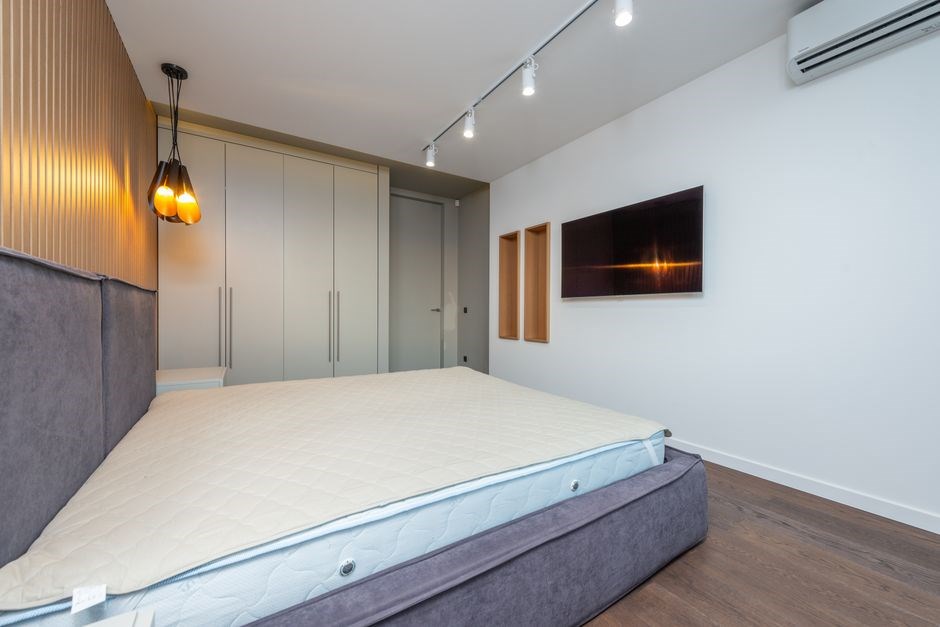
Overview of Bestway Air Mattress
Bestway air mattresses offer quick, hassle‑free setup thanks to built‑in pumps and durable, flocked surfaces. The dual‑pump system inflates the bed automatically, while a reverse mode extracts air for compact storage. This design balances comfort, portability, and ease of use. Enjoy setup.Fast

Choosing the Right Model
When selecting a Bestway air mattress, consider size, pump type, and surface material. The Alwayzaire Dual Pump model inflates automatically and can deflate for storage, making it ideal for travelers. If you need a single sleeper, the Dreamair Premium offers a 185 × 76 × 22 cm flocked surface that feels like a pillow. For larger groups, the Alwayzaire Foretech King Size provides ample space and a robust frame. Pay attention to the built‑in foot pump versus a separate external pump; the former saves space but may be slower. Flocked fabrics reduce friction and increase comfort, while polyester panels are lighter. Finally, check warranty length and customer support availability, as these vary across models.
Consider the mattress’s weight and packing dimensions; lighter models are easier to transport but may sacrifice durability. The built‑in pump’s battery life is a key factor for remote use; models with 12‑hour runtime are preferable. Look for reinforced seams and a double‑layer design to prevent punctures. Some Bestway beds include a removable pillow insert for added comfort. Finally, read user reviews on retailer sites to gauge real‑world performance and any common issues such as slow inflation or uneven pressure distribution.
Always test the mattress in the intended environment before a trip, and keep a spare repair patch handy for unexpected punctures.

Consider a lightweight carrying bag transport now OK.

Pre-Inflation Preparation
Before you begin inflating a Bestway air mattress, follow these steps to ensure a safe and efficient setup. Unfold the mattress fully on a flat, clean surface free of sharp objects, rocks, or debris that could puncture the fabric. Verify that the battery is charged or the power cord is ready for a mains connection. For models with a foot pump, attach the hose securely to the valve and check for kinks or obstructions that might restrict airflow.
Inspect the valve and seams for dust, dirt, or visible tears. Use a small brush or compressed air to clear blockages, and apply a patch kit to minor nick marks before inflation to prevent leaks. Position the mattress so the valve is easily accessible, allowing you to monitor inflation and stop the pump quickly if needed. In colder environments, allow a few extra minutes for the air to expand; in humid conditions, wipe the surface with a dry cloth to avoid dampness that can affect comfort.
Place the mattress on a mat or tarp if used outdoors, ensuring the ground is level and free of sharp stones. Keep pets and small children away during inflation to avoid accidental punctures. Once fully inflated, let it rest a few minutes to allow air to settle evenly across seams. This pause helps achieve uniform firmness and reduces pressure points. Store the spare patch kit and a utility knife in a dedicated bag for access in case of a puncture during travel or after use!!

Inflation Process
Begin by ensuring the mattress is fully unfolded and the valve is free of obstructions. For models equipped with a built‑in Alwayzaire dual pump, simply plug the unit into a mains outlet or connect the battery pack. Turn the pump on and observe the initial airflow; the mattress should start rising evenly from the center outward. Keep the valve open and monitor the expansion closely—if the bed inflates too quickly, pause the pump to avoid over‑pressurization. Once the mattress reaches the desired firmness, turn the pump off and unplug it to prevent accidental re‑inflation. If using a foot‑pump version, attach the hose securely, step on the foot pedal, and maintain steady pressure. The foot pump will push air into the mattress until it expands to the correct height. After inflation, allow the mattress to settle for a few minutes so that the air distributes evenly across all seams, ensuring a uniform sleeping surface. Finally, check the valve for any residual air leaks by gently pressing the valve area; a properly sealed valve will not release air. The mattress is now ready for use.
After inflation, test stability by shifting weight across the surface; a proper bed should not sag. If a dip appears, add breaths with the pump. Secure the valve by tightening the cap. Deflate slowly, reversing the pump or squeezing the valve until all air is expelled. Store flat on a clean, dry surface in a breathable bag to prevent moisture buildup. Keep the patch kit handy for quick repairs!!!.

Deflation and Storage
Once the mattress has served its purpose, begin the deflation process by engaging the built‑in reverse pump or manually squeezing the valve. If the model features an automatic extraction mode, simply reverse the pump’s direction; the unit will pull air out until the mattress collapses to a flat shape. For foot‑pump versions, press the valve firmly until all air is released, watching for any remaining pockets that may hold residual pressure. After the mattress is fully deflated, allow it to sit for a minute to ensure no trapped air remains. Next, fold the mattress carefully, aligning seams to avoid creases that could weaken the material over time. Place the folded bed in its supplied storage bag or a breathable pouch; this protects against dust and moisture while preventing compression of the fabric. Store the bag in a cool, dry area—ideally a closet or storage unit—away from direct sunlight, which can degrade the latex or PVC. If you anticipate long‑term storage, consider adding a moisture‑absorbing packet to the bag to keep humidity at bay. Finally, before re‑use, inspect the mattress for any signs of wear, such as small tears or punctures, and patch them promptly using the included repair kit. Proper deflation, folding, and storage will extend the life of your Bestway air mattress and keep it ready for future use. use. Remember to keep the mattress in a dry, breathable environment and check for any damage before each use to ensure optimal performance and longevity All set!

Maintenance and Repairs
Regular upkeep keeps a Bestway air mattress comfortable and durable. Before each use, inspect the surface for punctures, tears, or loose seams. If a small hole appears, apply the manufacturer’s patch kit: clean the area with a mild soap solution, dry completely, then press the patch over the defect and hold for 30 seconds. For larger tears, use a reinforced repair patch and secure it with a light adhesive or double‑sided tape, ensuring the patch covers a 2‑inch margin around the tear. After patching, allow the mattress to sit in a dry, ventilated space for at least 24 hours to cure fully.
To keep the mattress in top condition, wipe the surface after each use with a damp microfiber cloth and a mild, pH‑neutral cleaner. Avoid abrasive pads or solvents that can degrade the latex or PVC. For stubborn stains, apply a gentle water-soap mix and rinse with a damp cloth. Never immerse the mattress in water; if wet, lay it flat in a well‑ventilated area to dry completely. When not in use, store the mattress in its breathable bag, fully deflated and folded along the seam lines to prevent creases. Keep the bag in a cool, dry place, away from direct sunlight and extreme temperatures, and check for signs of wear or mildew. If mildew appears, wipe the area with a vinegar solution, dry thoroughly, and re‑inspect for damage before next use. Following these steps will extend the life of your Bestway air mattress and maintain its comfort and safety for many nights.
Common Troubleshooting
Common issues include slow inflation, uneven pressure, and minor leaks. Check the valve for blockage, ensure the pump is fully connected, and inspect seams for punctures. Use a patch kit for small holes, and reset the pump if it stalls. Follow safety guidelines!
Check for Leaks
Before using your Bestway air mattress, inspect every seam, valve, and puncture point for potential leaks. The built‑in Alwayzaire dual pump can help you detect air loss quickly: after inflation, monitor the pressure gauge; a sudden drop indicates a leak. Use a soapy water solution—spray or dip the mattress in a light soap mix, then watch for bubbles forming. If bubbles appear, mark the spot with a pen. For small punctures, apply a Bestway repair patch: clean the area, let it dry, then press the patch firmly for at least 30 seconds. For larger holes, use a commercial air mattress patch kit, following the manufacturer’s instructions. If the leak is near the valve, replace the valve seal or use a valve repair kit. Always re‑inflate after patching to confirm the fix. If the mattress continues to lose air, consider replacing the entire unit or contacting Bestway customer support for warranty service. Proper leak management extends the life of your mattress and ensures a comfortable, safe sleeping experience.
If you notice a slow leak, position the mattress on a flat surface and inflate it again. A gradual pressure drop over several minutes often points to a small puncture that may be sealed with a patch. For larger holes, consider using a double‑layer patch for extra durability. Keep a spare patch kit handy during travel, and always check for hidden damage before each use. If the mattress still leaks after patching, it may be time to replace the unit, as repeated punctures can compromise the structural integrity. Contact Bestway support for guidance on warranty coverage or replacement options.
Remember to store the mattress in a cool, dry place after deflation. Avoid prolonged exposure to direct sunlight, which can weaken the material. When packing, roll the mattress loosely to prevent creases that could lead to future leaks. Stay vigilant. and sleep well!?
Adjusting Firmness
After the mattress is fully inflated, you can fine‑tune its support level to suit your sleeping style. Most Bestway beds come with a dual‑pump system that lets you add or release air without disconnecting the unit. To firm the bed, press the foot‑pump button until the built‑in pressure gauge shows a higher PSI; to soften, reverse the pump or open the valve slightly to let a bit of air escape. Some models feature a manual valve—turn it clockwise to seal and counterclockwise to release. A few units also include a firmness dial on the side panel; turning it clockwise adds air, while counterclockwise reduces it. Remember that heavier users often need a firmer setting to avoid sagging, whereas lighter users may prefer a softer cushion. After each adjustment, let the mattress settle for a minute before testing comfort. If the surface feels uneven, redistribute the air by cycling the pump a few times. Finally, always check the pressure gauge after adjustments to keep the mattress within the manufacturer’s recommended PSI range, typically 0.6–1.0 bar for single‑size units. Proper firmness tuning not only improves sleep quality but also extends the mattress’s lifespan by preventing over‑inflation or excessive sagging. For long‑term comfort, consider adding a mattress topper or a thin foam layer on top of the air bed; this can reduce pressure points and enhance durability. Now, always ensure the mattress is on a level surface to maintain pressure!!
Using the Built-in Pump Safely
Operating the integrated pump on a Bestway mattress requires a few safety steps to avoid over‑inflation, electrical hazards, or damage to the unit. First, always use a grounded outlet and keep the pump’s cord away from water or damp surfaces. The pump’s built‑in safety valve will automatically stop airflow when the mattress reaches the recommended PSI, but it is still wise to monitor the pressure gauge during the initial inflation. If the gauge reads above the model’s maximum (usually 1.0 bar for single beds), press the stop button or unplug the unit immediately. For models with a manual release valve, open it slightly to let excess air escape and prevent a sudden burst. When inflating, keep your hands clear of the pump’s nozzle to avoid accidental contact with the moving parts. If you notice any unusual noises—such as a hissing sound or rattling—stop the pump, disconnect it, and inspect the hose and valve for leaks or kinks. Always allow the mattress to cool for a few minutes after inflation; the air inside can become hot and may cause burns if touched too soon. When deflating, reverse the pump or use the built‑in extraction mode; this reduces the risk of a rapid collapse that could damage the mattress or injure you. Finally, store the pump in a dry, cool place and avoid exposing it to extreme temperatures or direct sunlight, which can degrade the rubber and plastic components over time. By following these precautions, you can enjoy safe, inflation experience and extend life and your mattress!
Flotation and Temperature Effects
When a Bestway mattress is inflated, the air inside creates buoyancy that can influence how the bed feels on different surfaces. The amount of air pressure, combined with the mattress’s outer material, determines the overall firmness and how the mattress “floats” over a mattress topper or a wooden frame. A higher PSI can make the mattress feel more rigid, while a lower PSI allows it to conform more closely to the underlying surface, reducing pressure points. However, the same pressure can also cause the mattress to shift or “roll” slightly on a sloped or uneven surface, especially if the base is not level. For outdoor use, the temperature of the surrounding air can affect the internal pressure. Warm air expands, increasing the PSI and making the mattress feel firmer; cold air contracts, reducing pressure and making the mattress feel softer. This effect can be noticeable in climates that swing from hot summer nights to cold winter nights. To maintain consistent comfort, it is advisable to re‑inflate the mattress to the manufacturer’s recommended PSI after a temperature change or before use. Additionally, placing a foam pad or a thin sheet between the mattress and a hard surface can help distribute pressure evenly and reduce the impact of temperature‑induced pressure changes. By understanding how buoyancy and temperature interact, users can better adjust the mattress for optimal comfort in any setting. This knowledge ensures comfort! OK
Cleaning the Mattress
Cleaning a Bestway air mattress is straightforward but requires attention to detail to preserve its longevity. First, always deflate the mattress completely and lay it flat on a clean, dry surface. Gently remove any loose debris with a soft brush or a vacuum equipped with a brush attachment. Next, mix a mild detergent with lukewarm water—avoid harsh chemicals or bleach, as they can degrade the PVC or TPU layers. Using a soft microfiber cloth, lightly dab the solution onto the mattress, focusing on high‑traffic areas such as the edges and any visible stains. For stubborn spots, a soft‑bristle brush can be used, but never scrub too hard to avoid puncturing the material. Rinse the cloth frequently to avoid spreading dirt. After cleaning, allow the mattress to air‑dry completely before reinflating. This prevents moisture buildup that could lead to mold or mildew. If the mattress has a removable cover, wash it separately in a gentle cycle and tumble dry on low heat. Finally, inspect the seams and valves for any signs of wear or damage before each use. Proper cleaning not only keeps the mattress hygienic but also extends its usable life.
After the mattress is dry, roll it loosely and place it in a breathable storage bag. Avoid compressing the air too much, as this can cause micro‑tears over time. Store in a cool, dry place away from direct sunlight to prevent UV degradation. When you need it again, re‑inflate using pump or option, and you enjoy the same comfort as before.!
Storing for Long-Term Use
For seasonal use, consider adding a thin, breathable liner to protect against moisture and dust. When packing, roll the mattress loosely and place it in a storage bag with a small pocket for accessories. Label the bag with the mattress size and any care notes to simplify future setup!

Warranty and Customer Support
Bestway offers a limited warranty covering manufacturing defects for up to two years from purchase. The warranty protects against faulty seams, pump malfunctions, and material failures that arise under normal use. To file a claim, keep the original receipt, product serial number, and a clear description of the defect. Contact customer support via the official website or phone; a support ticket will be opened. The team typically responds within 24–48 hours, providing troubleshooting steps or arranging a return shipment if a replacement is warranted. International buyers can ship the product to an authorized service center; shipping costs may be covered if the defect is covered by warranty. The warranty booklet in the packaging details specific terms, exclusions, and claim procedures. Proper documentation and timely communication are essential for a smooth resolution. If a repair is needed, Bestway may offer a repair kit or direct replacement of the affected component. If the product is no longer under warranty, the support team can still guide repair options and recommend authorized repair shops. By following the outlined steps and maintaining a record of interactions, consumers can ensure their Bestway air mattress remains in optimal condition throughout its lifespan. The warranty remains valid as long as the mattress is maintained per the manufacturer’s guidelines. Store the mattress in a cool, dry place to preserve its integrity careful.