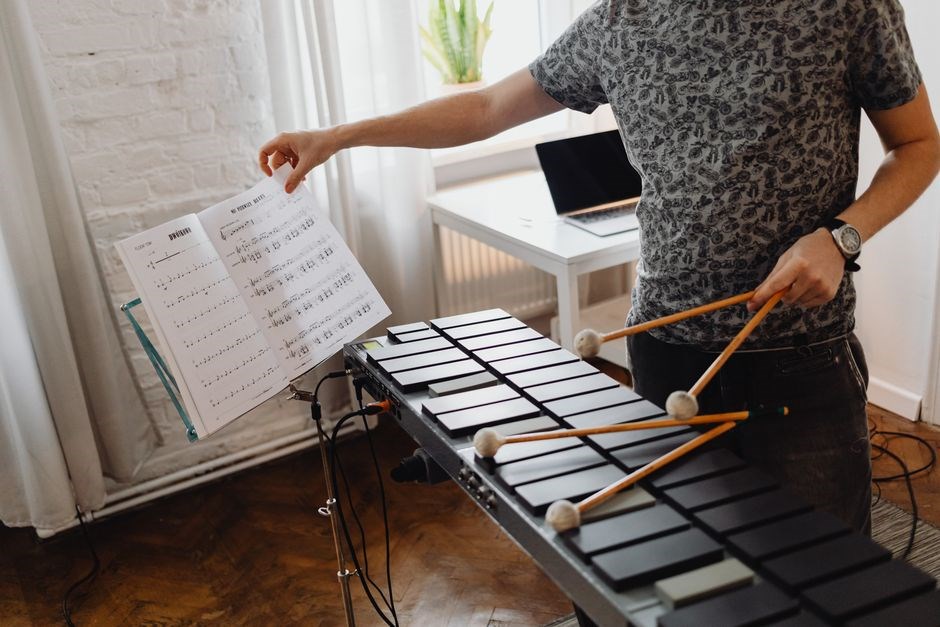
Overview of Rhythm Exercises PDFs
Rhythm exercise PDFs provide structured practice for timing, syncopation, and groove. They range from beginner claps to advanced jazz patterns, often downloadable from MuseScore, Mutopia, or OpenSheetMusic. These files aid teachers and students in focused rhythmic training. for all.!!

Definition and Purpose
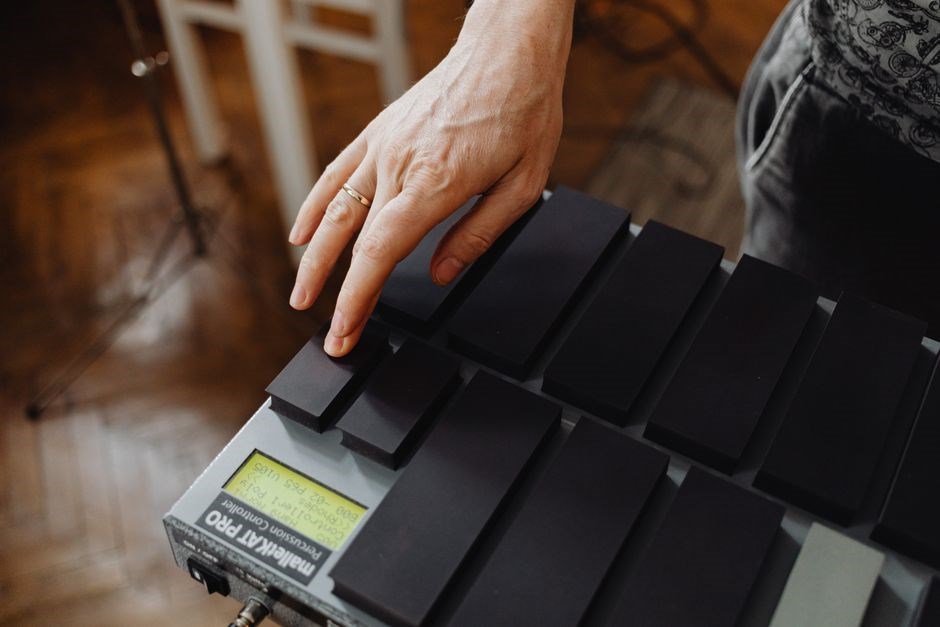
Rhythm exercise PDFs are digital collections of rhythmic patterns designed to develop timing, coordination, and musical phrasing. They typically feature measures with varying note values, rests, and syncopations, allowing performers to practice counting, articulation, and groove in a structured format. These files are often sourced from community platforms such as MuseScore, where users upload “Rhythm Exercises 1” by jfranksash and “Rhythm Exercise” sets by seinyin, providing free PDF downloads for piano, guitar, flute, and other instruments. The purpose is to give students and educators a ready-to-use resource for focused rhythmic drills, from simple quarter‑note exercises to complex jazz syncopations, and to support both in‑class instruction and self‑paced practice. By offering printable sheets, musicians can integrate these drills into daily warm‑ups, track progress, and adapt the material to various skill levels. The PDFs also serve as a bridge between theoretical rhythm studies and practical performance, ensuring that learners internalize rhythmic concepts through repeated, deliberate practice.
These PDFs are often annotated with tempo markings, dynamic indications, and rehearsal marks, enabling musicians to practice not only rhythm but timing. Teachers can assign specific pages to reinforce concepts like syncopation or polyrhythms, while students benefit from visual feedback and to print or view on digital devices. !
Historical Context
Rhythm exercises have long served as a cornerstone of instrumental pedagogy, tracing back to the 19th‑century method books of teachers like Clementi and Czerny. In the digital age, the tradition evolved into downloadable PDF formats, making these resources widely accessible. Early online repositories such as the Mutopia Project began offering free sheet music in the late 1990s, but rhythm‑specific PDFs gained traction only after the rise of community‑driven platforms like MuseScore. Here, contributors upload sets such as “Rhythm Exercises 1” by jfranksash, which include piano, guitar, and flute arrangements, and “Rhythm Exercise” collections by seinyin, often dated 2025‑04‑16. These PDFs preserve the pedagogical intent of classic exercises while allowing instant printing or digital practice. The shift to PDF also supports educators in customizing materials for diverse ensembles, from soloists to jazz combos, and enables students to practice rhythmic accuracy on the go. Today, rhythm exercise PDFs are a hybrid of historical methodology and modern technology, bridging centuries of musical training with contemporary accessibility. These PDFs are often annotated with tempo markings, dynamic cues, and rehearsal marks, allowing students to practice not only rhythm but also phrasing and articulation. Many educators customize the PDFs by adding their own exercises or combining them with audio tracks for a more immersive experience. The open‑source nature of platforms like MuseScore encourages collaboration, ensuring that rhythm exercises evolve with contemporary musical trends every day.

Current Availability
Today, rhythm‑exercise PDFs are abundant across several open‑source and commercial platforms. The MuseScore community hosts thousands of user‑generated sets, such as “Rhythm Exercises 1” by jfranksash, which offers piano, guitar, flute, and other instrument arrangements, downloadable as PDF or MIDI. Seinyin’s collection, dated 2025‑04‑16, is also available on MuseScore includes a variety of rhythmic patterns suitable for beginner to advanced players. The Mutopia Project provides free, historically authentic scores, including rhythmic studies from the Classical era, all in PDF format. OpenSheetMusic, a newer repository, hosts contemporary rhythm‑workbooks, often with modern jazz and pop grooves. Educational sites like MusicNotes and SheetMusicPlus offer purchasable PDFs, while the public domain archive IMSLP hosts older rhythm exercises, such as the 2nd edition of Richard Hoffman’s “Rhythm Book,” which contains blank measures for improvisation. Many of these PDFs are annotated with tempo markings, dynamic indications, and rehearsal marks, allowing students to practice rhythmic accuracy in a structured environment. Because they are freely downloadable, teachers can quickly integrate them into lesson plans, and students can print or view them on tablets for on‑the‑go practice. The proliferation of these resources has made rhythm training more accessible than ever, bridging the gap between traditional print methods and modern digital convenience.
Key Platforms for Downloading Rhythm Exercise PDFs
MuseScore hosts rhythm sheets, from basic claps to jazz patterns. Mutopia offers free public studies. OpenSheetMusic provides collections. Sites like MusicNotes and SheetMusicPlus sell PDFs for teachers and students.for all levels. and!!
MuseScore
MuseScore is a free, open‑source notation program that also hosts a vast online library of user‑generated sheet music. For rhythm exercises, the site offers a wide range of downloadable PDFs, from simple clapping patterns to complex jazz grooves. Users can search by keyword, difficulty, or instrument, and many files include MIDI playback so learners can hear the rhythm before printing. The community allows for collaborative editing, so instructors can tweak exercises to suit their curriculum. Additionally, MuseScore’s “Practice” mode lets students loop specific measures, making it easier to drill timing. The platform’s browser‑based interface means files can be accessed on any device, and the downloadable PDFs are free of charge, making it an ideal resource for schools and individual musicians alike.
The platform’s search filters let users narrow results by key, time signature, or rhythmic complexity, ensuring exercises match a student’s level. Many PDFs include rehearsal marks and tempo indications, which help in setting practice goals. Instructors can annotate PDFs directly in MuseScore’s editor, adding notes or color‑coding measures for visual emphasis. Because the files are open‑source, educators can remix or remixable content, creating custom worksheets that reflect specific pedagogical objectives. MuseScore’s community forums host discussions on rhythmic theory, offering additional resources such as tutorials and practice playlists.
Mutopia Project
The Mutopia Project is a community‑driven, open‑source repository of public‑domain sheet music that includes a growing selection of rhythmic studies. Because the material is released under a Creative Commons license, teachers and students can freely download, print, and adapt the PDFs for classroom or private use without any licensing fees. Many of the pieces focus on rhythmic precision, offering exercises that range from simple 4/4 patterns to syncopated 3‑beat groups and complex 7‑beat meters that challenge a student’s sense of pulse. The notation is clean and minimal, making it easy to read for beginners while still providing the technical detail required for advanced players. Each PDF often contains a brief description of the intended difficulty level, suggested tempos, and a short explanation of the rhythmic concept being practiced. Users can also find accompanying MIDI files, allowing learners to hear the rhythm before attempting to play it. The Mutopia Project’s community encourages contributors to add new rhythmic studies, so the library continues to expand with fresh material. For teachers, the ability to download the source MusicXML files means they can import the exercises into any notation program, tweak the tempo markings, or add personalized annotations. Because the project is maintained by volunteers, the cost is zero, and the files are accessible from any device with an internet connection. This makes the Mutopia Project an invaluable resource for music educators seeking reliable, royalty‑free rhythm exercises in PDF format. Its open‑access policy ensures continuous growth and community engagement.
OpenSheetMusic
OpenSheetMusic is a free, community‑driven platform that hosts a wide array of rhythm‑focused PDFs, from simple clapping patterns to intricate jazz and world‑beat studies. The site’s search function allows users to filter by instrument, difficulty, and rhythmic meter, making it easy to locate the exact exercise needed for a lesson plan or personal practice session. Each PDF is accompanied by a brief description that outlines the rhythmic concept—such as syncopation, polyrhythms, or odd time signatures—and offers tempo suggestions to help students internalize the groove. Because the files are available in both PDF and MusicXML formats, teachers can import the scores into notation software, adjust the key or tempo, or add custom annotations without losing the original layout. The community aspect of OpenSheetMusic means that users can submit their own rhythmic studies, which are then reviewed and added to the library, ensuring a constantly expanding collection. Many contributors include MIDI playback options, allowing learners to hear the rhythm before attempting to play it, which is especially useful for remote or self‑paced learning environments. The platform’s open‑source ethos guarantees that all materials remain royalty‑free, so educators can distribute the PDFs to students without worrying about licensing fees. In addition, the site offers a “download all” feature for bulk downloads, enabling teachers to build a personalized curriculum with a single click. OpenSheetMusic’s user interface is lightweight and mobile‑friendly, so students can view and print rhythm exercises on tablets or laptops during class or at home. Overall, OpenSheetMusic serves as a reliable, versatile resource for anyone seeking high‑quality rhythm exercises in PDF format. Students can also share their adaptations on the platform, fostering a collaborative learning environment. The open‑access nature of the site encourages continuous improvement and community engagement.
Other Educational Sites
Beyond the major repositories, several niche educational platforms host rhythm‑exercise PDFs tailored for specific pedagogical needs. The “Free Rhythm Exercises 1” collection by jfranksash, for instance, offers a set of piano, guitar, flute, and other instrumental arrangements that can be downloaded or printed directly from MuseScore’s community hub—though the PDFs themselves are also mirrored on independent sites such as the MusicXML Archive. Similarly, seinyin’s “Rhythm Exercise” series, released in April 2025, provides a progressive set of patterns that can be accessed via both PDF and MIDI formats, allowing students to hear the intended groove before attempting to play it. For those who prefer a more interactive approach, the Richard Hoffman “Rhythm Book 2nd Edition” supplies blank measures for improvisation, encouraging learners to experiment with syncopated rhythms and polyrhythmic structures in a guided context. Many of these resources are freely available on educational sites like the International Music Score Library Project (IMSLP), which hosts public‑domain scores, or on specialized rhythm‑study portals such as RhythmCentral, where users can upload custom PDFs and share annotated versions. Additionally, academic institutions often maintain digital libraries—e.g., the University of Music & Performing Arts’ open‑access repository—that include rhythm‑workbooks for beginner to intermediate students. These sites typically offer downloadable PDFs with clear tempo markings, metronome cues, and optional audio tracks, making them ideal for both in‑class instruction and self‑paced practice. By leveraging these diverse platforms, educators can assemble a comprehensive, royalty‑free curriculum that addresses a wide range of rhythmic concepts without the constraints of commercial licensing. Students and teachers can also contribute their own rhythm exercises, ensuring the collection grows organically and remains relevant. These resources are often updated with new rhythmic patterns, ensuring learners stay engaged and challenged throughout musical journey. Now.
Using Rhythm Exercise PDFs Effectively
Print PDFs on matte paper, set a metronome, and practice each rhythm at a comfortable tempo Integrate one pattern per session, then increase speed. Adapt pages for different instruments by transposing or adding dynamics. Digital PDFs allow zoom and playback for visual and auditory cues.
Printing Tips for Sheet Music
When printing rhythm‑exercise PDFs from MuseScore or Mutopia, choose a high‑resolution PDF viewer and set the page size to A4 or Letter to avoid cropping. Use “Fit to Page” and enable “Print Margins” so the staff lines remain centered. For large‑scale practice, print on thick, matte paper to reduce glare and improve note visibility. If you need to annotate, use a light‑colored pen on a white sheet to avoid smudging. For digital practice, export the PDF with a 300 dpi resolution and use the “Print as Image” option to preserve the original spacing. When printing multiple pages, enable “Print in Color” to differentiate rhythmic accents, and consider printing in duplex mode to save paper. Finally, test a single page first to ensure the tempo markings and clefs are correctly aligned before printing the full set. Additionally, consider printing with a light background color such as pale yellow to reduce eye strain during extended sessions. When using a printer that supports duplex printing, enable the option to print on both sides to conserve paper. If the PDF contains multiple parts, use the “Print as PDF” feature to generate separate files for each part, ensuring that each sheet is correctly oriented; Finally, keep a backup copy on a cloud drive to prevent loss in case of hardware failure. Remember to check the printer’s DPI settings; a higher DPI ensures crisp noteheads and stems, complex rhythmic patterns!
Integrating with Practice Routine
Begin by selecting a rhythm‑exercise PDF that matches your current level—MuseScore offers beginner claps, while Mutopia provides more complex syncopations. Schedule a 10‑minute warm‑up each day, focusing on metronome‑guided patterns from the PDF. Use a digital metronome app to set a steady pulse, then play the PDF’s measures at 50 % of the target tempo, gradually increasing as accuracy improves. Record yourself with a smartphone; playback to catch subtle timing errors. For ensemble practice, print the PDF on a single sheet and distribute it to all players; each member should mark their part, ensuring unified groove. When working on a specific instrument, overlay the PDF on a digital audio workstation (DAW) track to hear how the rhythm sits with other parts. Incorporate the PDF into a spaced‑repetition schedule: review the same set every 3 days, then every week, to reinforce muscle memory. Finally, end each session by transcribing a new rhythmic motif from the PDF into a personal sketchbook, solidifying internalization. This structured integration turns passive reading into active, measurable progress. By consistently cycling through these PDFs, you develop a keen sense of rhythmic nuance across genres, from classical to jazz, ensuring every beat feels intentional and every phrase lands with confidence. Moreover, pairing these PDFs a metronome that increases tempo helps you internalize rhythm, passages feel natural !!.
Adapting to Different Instruments
Rhythm‑exercise PDFs are versatile tools that can be tailored to any instrument by adjusting notation, articulation marks, and dynamic cues. For pianists, the PDF’s staves can be printed with octave transpositions or left‑hand‑only sections, allowing focused practice on left‑hand syncopation without right‑hand interference. Guitarists benefit from chord‑shape annotations and strum‑pattern symbols that translate the rhythmic line into strummed or picked patterns, while maintaining the original meter. Flutists can adapt the PDF by adding breath‑mark guidance and articulation symbols such as staccato or legato, ensuring rhythmic precision aligns with phrasing. Percussionists, on the other hand, can overlay the PDF onto a drum‑kit diagram, marking snare, hi‑hat, and cymbal hits to create a visual cue for complex groove patterns. Brass players may use the PDF’s rhythmic skeleton to practice articulation on single notes or short chords, focusing on the attack and release timing. Woodwinds can incorporate the PDF into a multi‑voice arrangement, assigning each part a distinct rhythmic motif that interlocks with the others. When adapting, always consider the instrument’s natural attack and decay; for example, a piano’s sustain pedal can blur fast triplets, so adjust the PDF’s note values accordingly. Additionally, many online platforms allow you to export the PDF as a MIDI file, which can then be imported into a DAW to hear how the rhythm sounds on the target instrument. By iterating between the PDF and real‑instrument playback, musicians refine their internal metronome, ensuring that the rhythmic foundation remains solid across all contexts.!!!!!!
Digital vs. Physical Practice
Digital rhythm‑exercise PDFs offer instant access, interactive playback, and the ability to layer multiple tracks, which is invaluable for self‑directed study. By importing the PDF into a DAW or a notation app, students can hear how the rhythm translates into their chosen instrument, adjust tempo with a click, and loop challenging measures. This immediacy reduces the time between theory and execution, fostering a deeper internalization of rhythmic patterns. Physical copies, however, provide tactile feedback that many musicians find essential for muscle memory. Printing the PDF onto high‑quality paper allows performers to annotate, underline, or color‑code sections, creating a personalized roadmap. The act of physically handling the score can reinforce visual recognition of rhythmic structures, especially for kinesthetic learners. Moreover, physical practice eliminates digital distractions, enabling focused, uninterrupted sessions. A hybrid approach often yields the best results: start with a digital version to grasp the groove, then transfer the key measures to a printed sheet for repetitive, isolated drills. This strategy combines the flexibility of technology with the embodied benefits of traditional notation, ensuring that rhythm training remains both efficient and deeply ingrained.!!!!!!