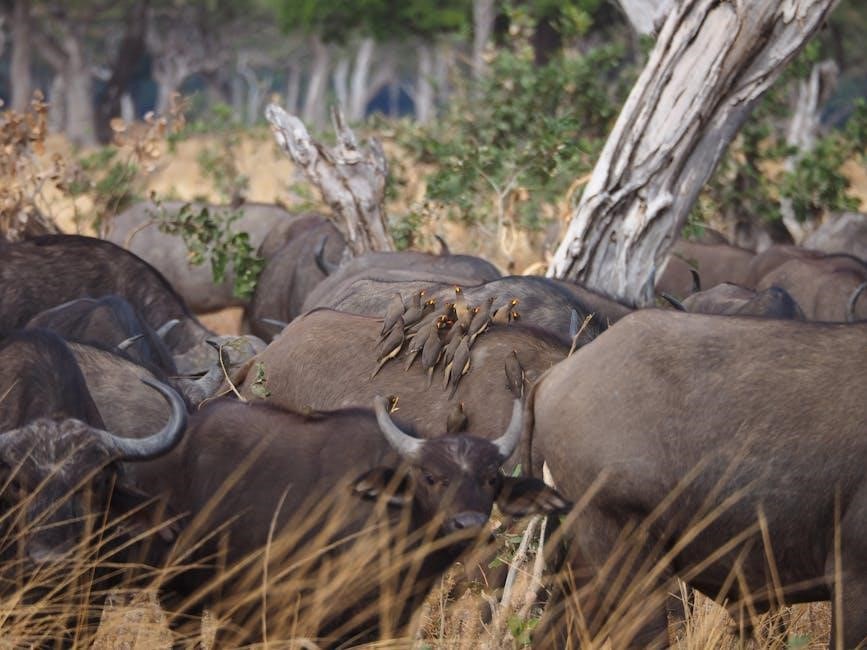
Guiding principles stem from ecological understanding, legal frameworks like the 1972 Act (amended 2021), and ethical considerations, ensuring sustainable wildlife resource use.

Historical Context of Wildlife Management
Historically, wildlife management evolved from primarily focusing on maximizing harvest yields to a more holistic approach centered on ecological sustainability. Early practices, often driven by hunting regulations and habitat preservation, lacked the comprehensive scientific understanding present today.
The establishment of guidelines for hunting, trade, and habitat conservation marked a pivotal shift. The 1972 Wildlife Protection Act in India, and subsequent amendments like the 2021 update, demonstrate a growing recognition of the need for legal frameworks. These frameworks aimed to protect vulnerable species and regulate human-wildlife interactions.
Furthermore, the emergence of international treaties like CITES signaled a global commitment to wildlife conservation. This historical progression highlights a transition from exploitative practices to a more responsible and ethically grounded approach to managing wildlife resources.
The Need for Guiding Principles
Guiding principles are crucial due to increasing pressures on wildlife from habitat loss, climate change, and human-wildlife conflict. Without a clear ethical and scientific foundation, management efforts risk being ineffective or even detrimental to biodiversity.
The need arises from the complexity of ecosystems and the interconnectedness of species. Sustainable use of wildlife resources, as proposed in various legislative improvements, demands a framework that balances conservation with human needs.
Furthermore, the expanding YouTube Partner Program and technological advancements necessitate adaptable management strategies. A robust set of principles ensures responsible practices, informed decision-making, and long-term conservation success, aligning with rising societal humanism and responsibility towards animals.

Core Principles: Ecological Foundations
Ecological foundations prioritize species ecology, population dynamics, and habitat conservation, forming the bedrock for effective wildlife management and sustainable practices.
Understanding Species Ecology and Biology
A deep understanding of species ecology and biology is paramount for effective wildlife management. This encompasses knowledge of a species’ behavior, physiology, and interactions within its environment.
Successful management strategies require detailed insights into a species’ life history, including reproductive rates, survival rates, and dietary needs.
Furthermore, comprehending how species respond to environmental changes – be it habitat alteration or climate shifts – is crucial.
This ecological knowledge informs decisions regarding habitat conservation, population control, and mitigating human-wildlife conflict, ultimately ensuring the long-term viability of wildlife populations. It’s the cornerstone of responsible stewardship.
Population Ecology and Dynamics
Population ecology provides the framework for understanding how wildlife numbers change over time and space. Analyzing factors like birth rates, death rates, immigration, and emigration is essential for effective management.
Understanding population dynamics – including growth rates, carrying capacity, and limiting factors – allows managers to predict future trends and proactively address potential issues.
Monitoring population size and structure is crucial, informing decisions about hunting and trade regulations, as well as species recovery programs.
Mathematical models and statistical analyses are frequently employed to assess population viability and guide conservation efforts, ensuring sustainable resource use.
Habitat Management and Conservation
Habitat management is central to wildlife conservation, recognizing that species survival depends on suitable environments. Protecting, restoring, and enhancing habitats are key guiding principles.
Effective strategies involve understanding species-specific habitat requirements, including food sources, shelter, breeding grounds, and migration corridors. Conservation efforts must address habitat loss, fragmentation, and degradation.
Implementing habitat conservation strategies, as outlined in wildlife protection acts, requires careful planning and collaboration with stakeholders.
Sustainable land-use practices, minimizing human impact, and promoting biodiversity are vital components of successful habitat management, ensuring long-term wildlife viability.

Legal and Regulatory Frameworks
Frameworks like the Wildlife Protection Act of 1972 (and 2021 amendments), international treaties (CITES), and national regulations govern wildlife management practices.

The Wildlife Protection Act, 1972 (and Amendments like 2021)
The Wildlife Protection Act of 1972, a cornerstone of Indian wildlife law, established guidelines for hunting, trade, and habitat conservation, forming a crucial regulatory base. It created schedules of protected species, categorizing them based on vulnerability.
The 2021 Amendment aimed to rationalize these schedules, enhancing the Act’s effectiveness. This included provisions for managing human-animal conflict and incentivizing conservation efforts. The Act empowers authorities to regulate wildlife-related activities, ensuring sustainable use and preventing exploitation.

Furthermore, it provides penalties for violations, strengthening enforcement. The Act’s ongoing revisions reflect a commitment to adapting to evolving conservation challenges and international standards, solidifying its role in safeguarding India’s biodiversity.
International Treaties and Conventions (CITES, etc.)
International agreements, like the Convention on International Trade in Endangered Species (CITES), provide vital guiding principles for wildlife management globally. CITES regulates the international trade of endangered flora and fauna, preventing overexploitation and promoting conservation.
These conventions establish frameworks for cooperation between nations, fostering collaborative efforts to protect migratory species and combat illegal wildlife trade. They often mandate national legislation aligning with international standards, strengthening domestic protections.
Moreover, participation in these treaties demonstrates a commitment to global biodiversity conservation, influencing national policies and resource allocation. They encourage sustainable use principles and promote responsible wildlife management practices worldwide, ensuring long-term species survival.
National Regulations and Supervisory Bodies (e.g., Russian Federation Regulations)
National laws, such as the Wildlife Protection Act of 1972 (and its 2021 amendments), form the cornerstone of wildlife management guiding principles within individual countries. These regulations establish protected species lists, hunting seasons, and trade controls.
Supervisory bodies, like the Federal Supervisory Natural Resources Management Service in the Russian Federation, enforce these laws and develop specific management plans. They oversee habitat conservation, species recovery programs, and regulate human-wildlife interactions.
These bodies often implement adaptive management strategies, monitoring wildlife populations and adjusting regulations based on scientific data. They ensure compliance with international treaties and promote sustainable resource utilization, balancing conservation with societal needs.
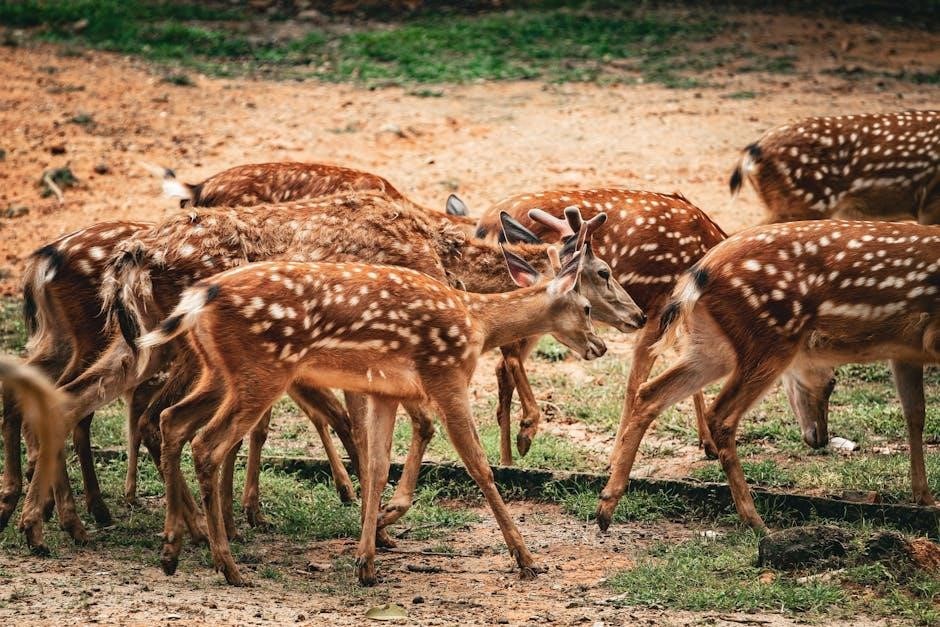
Ethical Considerations in Wildlife Management
Ethical principles, including bioethics and animal welfare, alongside human responsibility and conservation ethics, guide decisions for sustainable wildlife resource management.
Bioethical Principles and Animal Welfare
Bioethical principles are increasingly central to wildlife management, reflecting a growing societal humanism and acknowledging human responsibility for animal fate. This necessitates considering animal sentience and minimizing suffering in all management practices.
Wildlife managers must balance conservation goals with the welfare of individual animals, employing humane methods during research, capture, and relocation. The ethical framework extends to hunting regulations, advocating for fair chase and minimizing prolonged suffering.
Furthermore, recognizing intrinsic value beyond utilitarian benefits promotes respectful interactions with wildlife. Integrating these principles ensures management decisions align with evolving ethical standards and foster public trust in conservation efforts.
Human Responsibility and Conservation Ethics
Conservation ethics fundamentally rests on acknowledging human impact on wildlife and ecosystems, establishing a moral obligation to protect biodiversity for present and future generations. This responsibility extends beyond simply preventing extinction; it demands proactive habitat preservation and sustainable resource utilization.
Ethical wildlife management necessitates a pragmatic approach, balancing human needs with the ecological integrity of natural systems. Recognizing the interconnectedness of species and habitats is crucial, promoting holistic conservation strategies.
Furthermore, fostering public awareness and engagement in conservation efforts is paramount, cultivating a shared sense of stewardship. Ultimately, responsible management requires integrating ethical considerations into every decision-making process.
Sustainable Use of Wildlife Resources
Sustainable use embodies a core principle, ensuring wildlife resources meet current needs without compromising future availability. This necessitates careful regulation of hunting and trade, guided by scientific data and ecological understanding. The concept aims to balance conservation with the legitimate needs of local communities.
Implementing sustainable practices requires establishing clear guidelines for resource extraction, promoting responsible harvesting techniques, and actively monitoring population dynamics. Legal frameworks, like the Wildlife Protection Act, play a vital role in enforcing these regulations.
Ultimately, successful sustainable use hinges on integrating ecological, economic, and social considerations, fostering long-term coexistence between humans and wildlife.

Practical Applications of Guiding Principles
Applications include enforcing hunting regulations, implementing habitat conservation, and executing species recovery programs, all based on ecological understanding and legal mandates.
Hunting and Trade Regulations
Effective wildlife management relies heavily on meticulously crafted hunting and trade regulations, stemming from the core principles of sustainability and conservation. The Wildlife Protection Act of 1972, with its 2021 amendments, establishes schedules of protected species, dictating permissible hunting levels and trade restrictions.
These regulations aren’t arbitrary; they’re informed by species ecology, population dynamics, and habitat assessments. Establishing quotas, seasonal restrictions, and permitted gear types are crucial components. International treaties like CITES further regulate trade in endangered species, preventing overexploitation.
Furthermore, national supervisory bodies, such as those within the Russian Federation, enforce these rules, ensuring compliance and penalizing illegal activities. The goal is to balance human needs with the long-term health of wildlife populations.
Habitat Conservation Strategies
Central to wildlife management is the proactive implementation of robust habitat conservation strategies, guided by ecological principles. Protecting and restoring critical habitats – forests, wetlands, grasslands – is paramount for species survival; These strategies directly address the need for maintaining viable populations and biodiversity.
Effective approaches include establishing protected areas, implementing sustainable land-use practices, and mitigating habitat fragmentation. Regulations, informed by species-specific needs, dictate permissible development and resource extraction.
Furthermore, habitat restoration projects, focused on re-establishing degraded ecosystems, are vital. These efforts align with the broader goal of sustainable resource use, ensuring long-term ecological health and resilience, as outlined in proposals for sustainable wildlife utilization.
Species Recovery Programs
Species recovery programs represent a crucial intervention within wildlife management, guided by principles of ecological restoration and conservation ethics. These programs are initiated when populations of specific species decline to critically low levels, threatening their long-term viability.
Effective recovery hinges on a comprehensive understanding of species ecology, biology, and the factors driving their decline. Strategies often involve captive breeding and reintroduction, habitat restoration, and rigorous monitoring of population dynamics.
Legal frameworks, such as the Wildlife Protection Act, provide the regulatory basis for these efforts, ensuring adherence to ethical standards and sustainable practices. Success relies on adaptive management, continually refining strategies based on scientific research and observed outcomes.

Modern Approaches to Wildlife Management
Modern approaches prioritize adaptive management, community involvement, and scientific research, ensuring flexible, collaborative, and evidence-based conservation strategies for wildlife.
Adaptive Management and Monitoring
Adaptive management represents a structured, iterative process for improving wildlife management strategies. It acknowledges the inherent uncertainty in ecological systems and emphasizes continuous learning through monitoring and evaluation. This approach involves designing management actions as experiments, carefully tracking their outcomes, and adjusting strategies based on observed results.
Effective monitoring programs are crucial, providing data on population trends, habitat conditions, and the impacts of management interventions. These data inform decision-making, allowing managers to refine their approaches and respond to changing environmental conditions. Regular assessments ensure that conservation efforts remain effective and aligned with desired outcomes, fostering resilience in wildlife populations and ecosystems. This dynamic process is vital for long-term success.
Community-Based Conservation
Community-based conservation recognizes local communities as integral partners in wildlife management, shifting away from top-down approaches. It emphasizes empowering residents with ownership and responsibility for natural resources, fostering a sense of stewardship. Successful implementation requires genuine collaboration, incorporating traditional ecological knowledge alongside scientific expertise.
Benefits derived from wildlife, such as ecotourism revenue or sustainable harvesting opportunities, are shared with communities, incentivizing conservation efforts. This approach addresses socio-economic needs while simultaneously protecting biodiversity. By actively involving local people in decision-making processes, community-based conservation enhances the long-term sustainability of wildlife management initiatives and reduces human-wildlife conflict.
The Role of Scientific Research
Scientific research forms the bedrock of effective wildlife management, providing crucial data for informed decision-making. Studies on species ecology, population dynamics, and habitat requirements are essential for understanding complex ecosystems. Monitoring programs track population trends, assess the impact of environmental changes, and evaluate the success of conservation strategies.
Research informs adaptive management, allowing for adjustments based on observed outcomes. Advancements in technology, such as remote sensing and genetic analysis, enhance research capabilities. Collaboration between scientists, managers, and local communities is vital for translating research findings into practical conservation actions, ensuring long-term wildlife sustainability.

Future Trends in Wildlife Management
Future trends prioritize addressing climate change, leveraging technological advancements, and resolving human-wildlife conflicts, all guided by adaptive strategies and research.
Addressing Climate Change Impacts
Climate change presents escalating challenges to wildlife management, demanding proactive adaptation strategies. Guiding principles now necessitate incorporating climate vulnerability assessments into all conservation planning. This involves understanding species’ sensitivity to shifting temperatures and altered precipitation patterns.
Habitat conservation must prioritize climate refugia – areas offering relatively stable conditions – and facilitate species’ range shifts. Monitoring programs need to track distributional changes and physiological responses to climate stressors. Furthermore, mitigating other threats, like habitat loss and pollution, enhances species’ resilience.
Effective management also requires collaborative efforts across international boundaries, recognizing that climate impacts transcend political borders. Ultimately, a precautionary approach, acknowledging uncertainties, is crucial for safeguarding wildlife in a rapidly changing world.
Technological Advancements in Conservation
Technological innovations are revolutionizing wildlife management, offering powerful tools for monitoring and conservation; Guiding principles now emphasize integrating these advancements responsibly and ethically. Remote sensing, including satellite imagery and drones, enables large-scale habitat mapping and species tracking with unprecedented accuracy.
Genetic technologies, like eDNA analysis, facilitate biodiversity assessments and identify populations at risk. Artificial intelligence (AI) aids in analyzing vast datasets, predicting poaching hotspots, and optimizing conservation strategies.
However, data privacy and potential biases in algorithms must be carefully considered. Citizen science initiatives, powered by mobile apps, empower public participation in data collection. Ultimately, technology should augment, not replace, traditional ecological knowledge and on-the-ground expertise.
Integrating Human-Wildlife Conflict Resolution
Effective wildlife management increasingly prioritizes minimizing human-wildlife conflict, guided by principles of coexistence and community engagement. Recognizing that conflict arises from overlapping resource needs is crucial. Proactive strategies include habitat restoration to reduce encroachment, implementing preventative measures like fencing and deterrents, and establishing clear compensation schemes for damages.
Community-based conservation programs empower local stakeholders to participate in conflict mitigation. Transparent communication and collaborative decision-making are essential for building trust and fostering sustainable solutions.
Addressing underlying socio-economic factors contributing to conflict, such as poverty and land-use changes, is also vital. Ultimately, successful resolution requires a holistic approach that balances human needs with wildlife conservation goals.