Fishing Pole Size Guide: A Comprehensive Overview (Updated 03/16/2026)
Navigating fishing pole lengths is crucial for success․ This guide details how rod length impacts sensitivity, casting distance, and fish size,
helping anglers of all levels choose wisely․
Rod length is a foundational element in fishing, significantly influencing casting distance, accuracy, and sensitivity – ultimately impacting your success rate․ It’s not merely about preference; the right length optimizes your connection to the water and the fish․ A longer rod generates more power for longer casts, crucial for covering expansive areas or reaching distant feeding zones․ Conversely, shorter rods excel in tight spaces, offering greater control and quicker reactions for bait detection and precise presentations․
The relationship between rod length and line thickness is also vital․ A longer rod paired with a thicker line enhances sensitivity, allowing you to feel subtle bites․ Choosing the appropriate length depends on the target species, fishing environment, and preferred techniques․ Understanding these factors transforms a simple tool into an extension of your angling skill, improving your ability to fish smarter, not harder, and increasing your enjoyment on the water․
Factors Influencing Rod Length Selection
Several key factors dictate the ideal fishing rod length․ First, consider the target species – larger fish generally require longer rods for leverage and casting distance․ Secondly, the fishing environment plays a crucial role; tight spaces like rivers demand shorter rods for accuracy, while open lakes benefit from longer casts․ Line thickness also impacts the choice, with longer rods enhancing sensitivity when paired with heavier lines․
Your chosen fishing technique is paramount․ Techniques like flipping or pitching necessitate shorter rods for control, while surf fishing demands extended lengths to overcome waves and reach distant fish․ Anglers often base decisions on inconsistent criteria, but practical guidelines exist․ River conditions and structure are also vital considerations․ Ultimately, a thoughtful assessment of these elements ensures you select a rod length that maximizes your effectiveness and enjoyment on the water․
Rod Length and Line Thickness
The relationship between rod length and line thickness is fundamental to fishing performance; Longer rods generally pair well with heavier line weights, providing the backbone needed to handle larger fish and heavier lures․ This combination also aids in longer, more powerful casts, essential for covering expansive waters․
Conversely, shorter rods often excel with lighter lines, offering increased sensitivity for detecting subtle bites․ A longer rod enhances sensitivity, even with thicker lines, allowing anglers to feel what’s happening at the lure․ However, excessively thick line on a short rod can compromise casting distance and feel․ Finding the right balance is key; consider the target species, fishing environment, and desired presentation․ Matching rod length to line thickness optimizes casting accuracy, bite detection, and overall control, leading to a more successful fishing experience․
Short vs․ Long Fishing Poles: Pros and Cons
Choosing between a short and long fishing pole involves weighing distinct advantages and disadvantages․ Shorter rods (under 7 feet) excel in tight spaces, offering greater accuracy and control for precise casts․ They’re ideal for techniques like flipping and pitching, and provide enhanced sensitivity for detecting subtle bites, particularly with lighter lines․ However, they sacrifice casting distance and leverage when battling larger fish․
Longer rods (7 feet and above) shine in open water, delivering superior casting distance and increased leverage for fighting powerful opponents․ They’re well-suited for covering vast areas and handling heavier lures․ The downside? They can be cumbersome in confined spaces and may lack the finesse needed for delicate presentations․ Ultimately, the best choice depends on your fishing style, target species, and the environment you’ll be fishing in․
Common Fishing Pole Types and Lengths
Different fishing styles demand specific rod lengths․ From spinning to surf rods, each type has an optimal range, influencing casting and control for varied techniques․
Spinning Rod Lengths
Spinning rods are incredibly versatile, and their lengths vary significantly to suit diverse fishing scenarios․ Generally, lengths range from around 5 feet to 7․5 feet, with the most common sizes falling between 6’6” and 7’․
Shorter spinning rods, typically 5’ to 6’, excel in tight spaces like creeks or when fishing for panfish․ They offer enhanced accuracy and control for precise casts․ Conversely, longer spinning rods – 7’ to 7․5’ – are preferred for covering more water, achieving greater casting distances, and handling larger species․ These are excellent choices for bass or walleye fishing from shore or a boat․
The ideal length often depends on the line weight and lure size․ Lighter line and smaller lures pair well with shorter rods, while heavier line and larger lures benefit from the added power of longer rods․ Understanding this relationship is key to maximizing casting performance and fish-fighting capabilities with your spinning setup․
Casting Rod Lengths
Casting rods, designed for heavier lures and line, typically range from 6 feet to 8 feet in length․ The choice depends heavily on the target species and fishing technique․
Shorter casting rods, around 6’ to 6’6”, are favored for techniques like flipping and pitching in close quarters, offering superior accuracy and control․ They’re commonly used for bass fishing around heavy cover․ Longer casting rods, extending from 7’ to 8’, provide increased casting distance and leverage for hauling in larger fish, making them ideal for crankbaits, spinnerbaits, and fishing open water․
Rod power and action also play a crucial role․ Heavier power rods, paired with longer lengths, are necessary for throwing substantial lures and battling powerful fish․ Conversely, lighter power rods with moderate lengths offer more sensitivity for detecting subtle bites․ Selecting the right casting rod length is about balancing power, accuracy, and casting distance for your specific needs․
Fly Rod Lengths
Fly rod lengths generally fall between 7 feet and 9 feet, with variations depending on the intended fishing application and angler preference․ These lengths are crucial for presenting the fly delicately and effectively․
Shorter fly rods, around 7’ to 7’6”, excel in tight streams and smaller rivers, offering greater control and accuracy for precise casts․ They’re ideal for delicate presentations to wary trout․ Longer fly rods, ranging from 8’ to 9’, provide increased line control and casting distance, making them suitable for larger rivers, lakes, and targeting species like salmon or steelhead․
The weight of the fly line also influences rod length selection․ Lighter line weights (1-3) often pair well with shorter rods, while heavier line weights (7-9) benefit from longer rods․ Understanding the interplay between rod length, line weight, and fishing environment is key to maximizing performance and enjoyment․
Surf Fishing Rod Lengths
Surf fishing rods are typically the longest of all fishing rod types, ranging from 9 feet to 15 feet or even longer․ This extended length is essential for casting beyond the breaking waves to reach fish holding in deeper waters․
Rods around 9 to 10 feet are versatile for general surf fishing, offering a good balance of casting distance and manageability․ Longer rods, 12 feet and up, are preferred when significant distance is required, such as fishing from high beaches or in strong currents․ These longer lengths also aid in lifting fish over the surf and onto the beach․
The weight of the sinker and the expected size of the target fish also influence rod length․ Heavier sinkers and larger fish necessitate stronger, longer rods․ Choosing the right surf rod length depends on the specific beach conditions, target species, and angler’s casting ability․
Trout Fishing Rod Lengths
Trout fishing rods generally fall within the 6 to 8-foot range, though variations exist depending on the fishing environment and technique․ Shorter rods, around 6 feet, are ideal for small streams and tight quarters, offering greater accuracy and control when casting amongst trees and brush․
For larger rivers and open areas, a 7 to 8-foot rod provides a better balance of casting distance and fish-fighting power․ Longer rods also help with line control and mending, crucial for presenting flies effectively to wary trout․ Ultralight or light-action rods are commonly paired with these lengths․
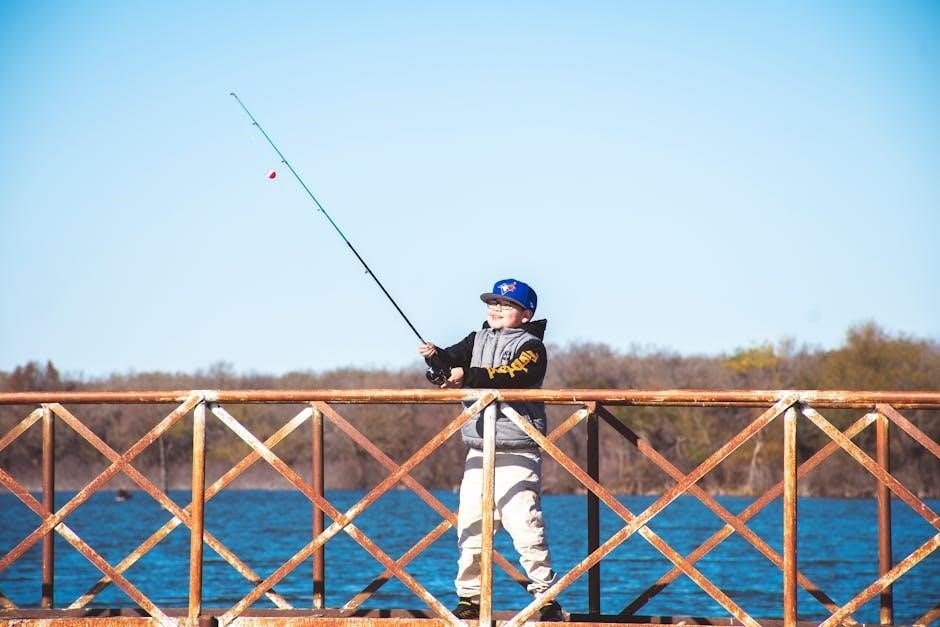
The specific type of trout fishing – fly fishing, spin fishing, or bait fishing – also influences rod length selection․ Fly anglers often prefer longer rods for delicate presentations, while spin fishermen may opt for shorter, more responsive rods․
Bass Fishing Rod Lengths
Bass fishing rods exhibit a wider length range, typically from 6’6” to 8’+, dictated by the fishing technique and environment․ For close-quarters fishing, like in heavy cover or around docks, a 6’6” to 7’ rod offers maneuverability and accuracy․ These shorter lengths excel with techniques like flipping and pitching․
All-around bass fishing, encompassing crankbaits, spinnerbaits, and Texas rigs, benefits from a 7’ to 7’6” rod․ This provides a good balance of casting distance, sensitivity, and power․ Longer rods, exceeding 7’6”, are favored for techniques requiring long casts, such as swimbaits and jerkbaits․
Consider the line thickness; heavier lines often pair well with longer rods to manage the added weight․ Ultimately, bass anglers often possess multiple rods of varying lengths to adapt to diverse situations․
Ice Fishing Rod Lengths
Ice fishing rods are notably shorter than most other types, generally ranging from 24” to 36” in length․ This compact size is essential for maneuvering within the confines of an ice fishing shelter or hole․ Shorter rods, around 24” to 28”, are ideal for fishing in tight spaces and offer excellent control when jigging․
Medium-length ice rods, between 28” and 32”, provide a versatile option for various techniques, including jigging, drop-shotting, and using tip-ups․ Longer ice fishing rods, reaching up to 36”, are preferred by anglers who want increased leverage and sensitivity for detecting subtle bites․
The choice also depends on the target species; smaller fish require less rod length, while larger species benefit from the added power of a slightly longer rod․

Fishing Rod Guide Size Chart
Precise guide spacing and measurements are vital for optimal rod performance․ Charts detail ideal placements for spinning, casting, and fly rods, maximizing casting and sensitivity․
Rod Guide Spacing Chart
Understanding rod guide spacing is fundamental to building or customizing a fishing rod․ The chart below provides a general guideline, but slight adjustments may be necessary based on the specific rod blank and intended application․ Proper spacing ensures efficient line flow, minimizing friction and maximizing casting distance and accuracy․
Generally, the first guide (closest to the reel) is positioned slightly further from the reel seat than subsequent guides․ The distance between guides progressively increases as you move towards the rod tip․ This is because the line angle changes as it travels along the rod․
For spinning rods, guide spacing tends to be more consistent, while casting rods often feature slightly wider spacing, particularly in the lower guides, to accommodate heavier lines and lures․ Fly rod guide spacing is highly specialized and depends on the rod’s action and line weight․ Always consult specific rod building resources for detailed spacing recommendations tailored to your project․ Accurate measurements are key to a high-performing rod․
Fishing Rod Guide Measurements: A Step-by-Step Guide
Accurate guide measurements are crucial for optimal rod performance․ Begin by identifying the foregrip length and reel seat position on your rod blank․ Mark the initial guide location, typically 25-30 inches from the reel seat for spinning rods, and slightly further for casting rods․
Use a flexible measuring tape to determine the spacing between subsequent guides, referencing a rod guide spacing chart (see previous section) for appropriate distances․ Carefully mark each guide location with a fine-tipped marker․
Ensure guides are aligned straight along the rod blank’s spine․ Temporary tape can help hold guides in place before permanent attachment․ Double-check all measurements before applying epoxy or thread wraps․ Precise alignment and consistent spacing minimize line friction and maximize casting efficiency․ A well-measured rod translates to a smoother, more enjoyable fishing experience․
Rod Length Based on Fishing Environment
Rod length adapts to the fishing location․ Longer rods excel in open water, while shorter rods are ideal for confined spaces like rivers and streams․
River and Stream Conditions
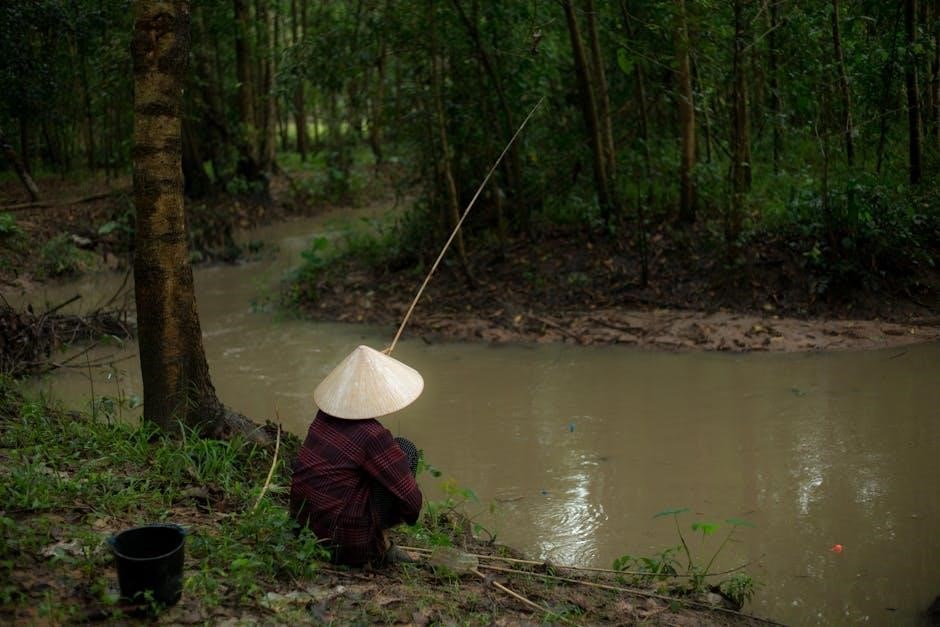
Navigating rivers and streams demands precision, making rod length a critical factor․ Shorter rods, typically ranging from 6 to 7 feet, are highly advantageous in these environments․ Their compact size allows for accurate casting in tight spaces, maneuvering around trees, bushes, and other obstructions commonly found along riverbanks and within streams․
The reduced length also enhances control when fighting fish in swift currents․ A shorter rod minimizes leverage that a fish can use against you, aiding in quicker and more secure landings․ Furthermore, shorter rods offer increased sensitivity, enabling anglers to detect subtle strikes in the often-turbid waters of rivers and streams․ This is particularly important when targeting species that are known for their light bites․
However, consider the river’s width and potential casting distances․ Wider rivers may benefit from a slightly longer rod (up to 7․5 feet) to achieve adequate reach․ Ultimately, prioritizing accuracy and control is key when selecting a rod for river and stream fishing․
Lake and Pond Fishing
Lake and pond fishing often allows for a broader range of rod lengths, offering versatility for various techniques․ Generally, rods between 6․5 and 7․5 feet are considered ideal for these still-water environments․ This length provides a good balance between casting distance and accuracy, suitable for covering a variety of depths and structures․
Longer rods, extending to 8 feet or more, excel at long-distance casting, enabling anglers to reach fish holding in deeper water or further from shore․ They also provide increased leverage for setting the hook and fighting larger species commonly found in lakes and ponds, such as bass, pike, and catfish․ However, these longer lengths can be less maneuverable in tight cover․
Shorter rods within this range (6․5-7 feet) are beneficial for techniques like drop-shotting or finesse fishing, where precision and sensitivity are paramount․ Consider the size of the water body and the predominant fishing style when making your selection․
Surf Fishing Considerations
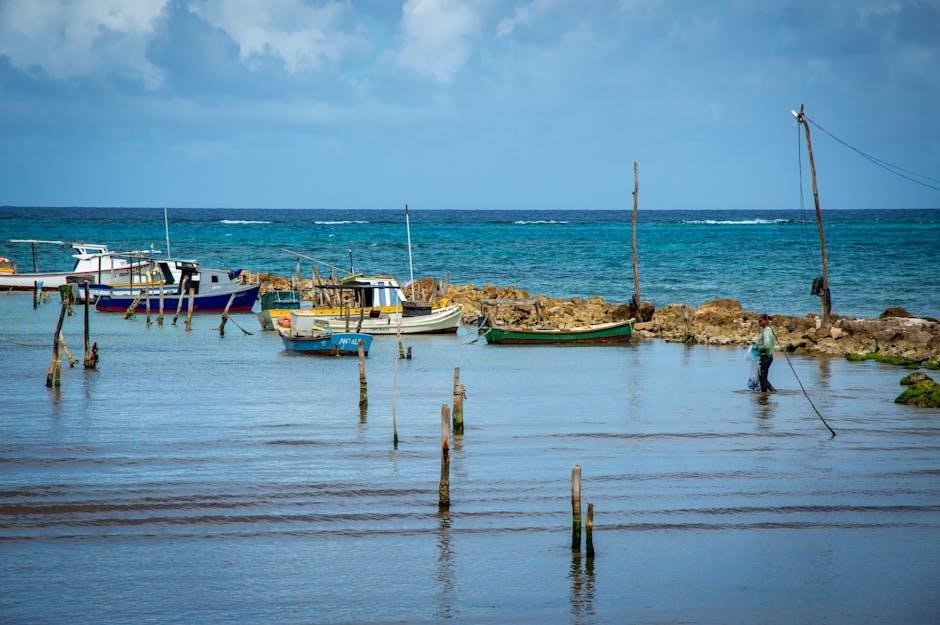
Surf fishing demands specialized rod lengths due to the unique challenges of casting into the ocean․ Typically, rods ranging from 9 to 15 feet are employed, with the specific length dictated by the angler’s casting ability, the typical surf conditions, and the target species․
Longer rods (12-15 feet) are favored for their exceptional casting distance, crucial for reaching fish beyond the breaking waves․ They also help to lift the line clear of the surf, minimizing the risk of tangles and snags․ However, these rods can be physically demanding to handle for extended periods․
Shorter surf rods (9-11 feet) offer greater control and sensitivity, making them suitable for calmer conditions or when fishing closer to shore․ They are also easier to manage, especially for novice surf anglers․ Robust construction is vital, as surf rods must withstand the corrosive saltwater environment and the powerful forces exerted during casting and retrieving․
Common Mistakes to Avoid When Choosing Rod Length
Many anglers base rod length decisions on irrelevant factors, leading to suboptimal performance․ A frequent error is prioritizing length without considering the intended fishing technique or target species․ Assuming a longer rod is always better is a misconception; shorter rods excel in tight spaces and offer increased sensitivity․
Another common mistake is neglecting line thickness․ Heavier lines require longer rods to manage effectively, while lighter lines pair well with shorter, more responsive options․ Ignoring the fishing environment is also detrimental – a long rod is impractical in a small stream, and a short rod struggles with long surf casts․
Finally, failing to account for personal casting ability can lead to frustration․ A rod that’s too long or powerful for an angler to handle comfortably will hinder their success․ Prioritize a balanced setup that complements your skills and the specific fishing scenario․